

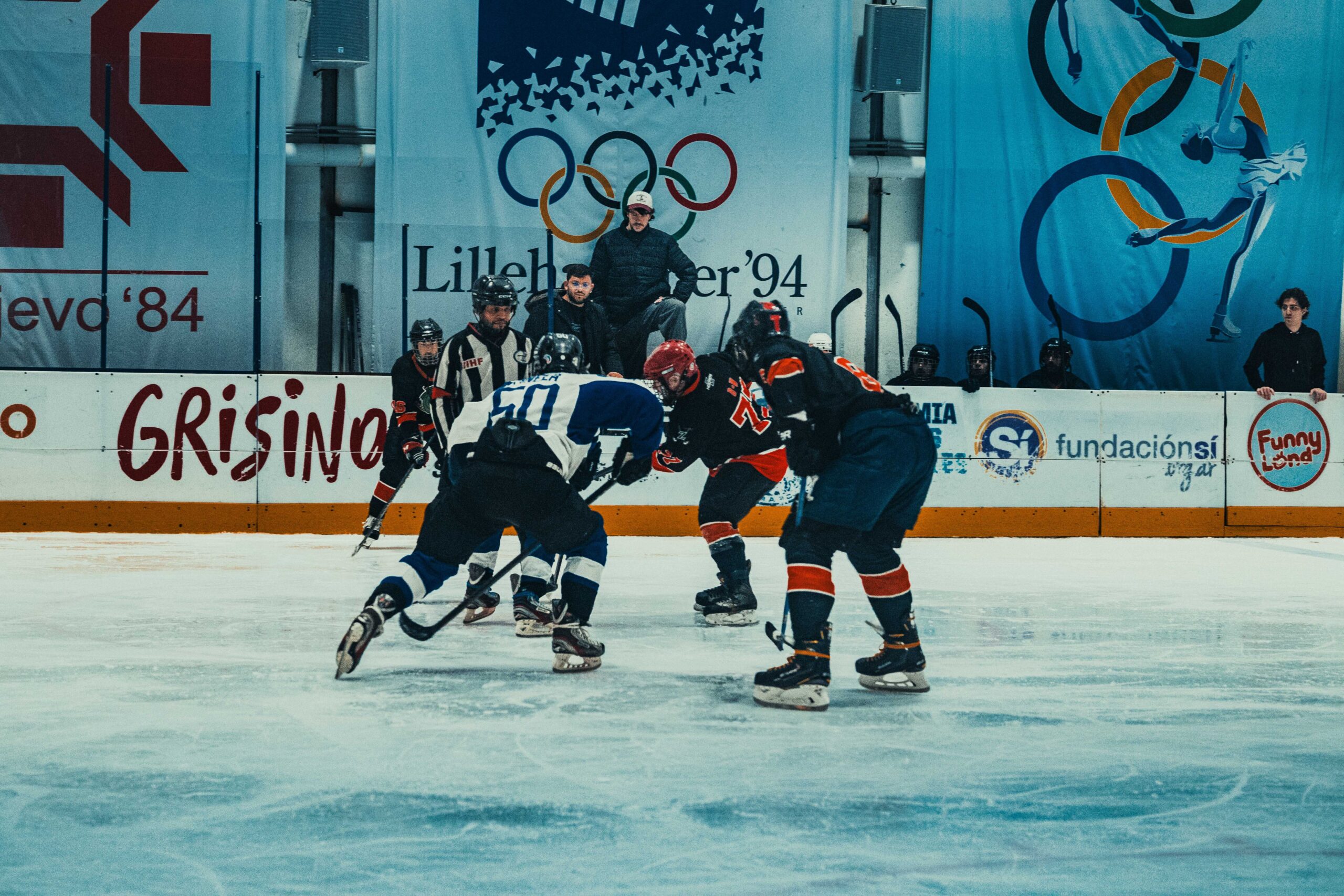
What professional sport makes visible about career transitions
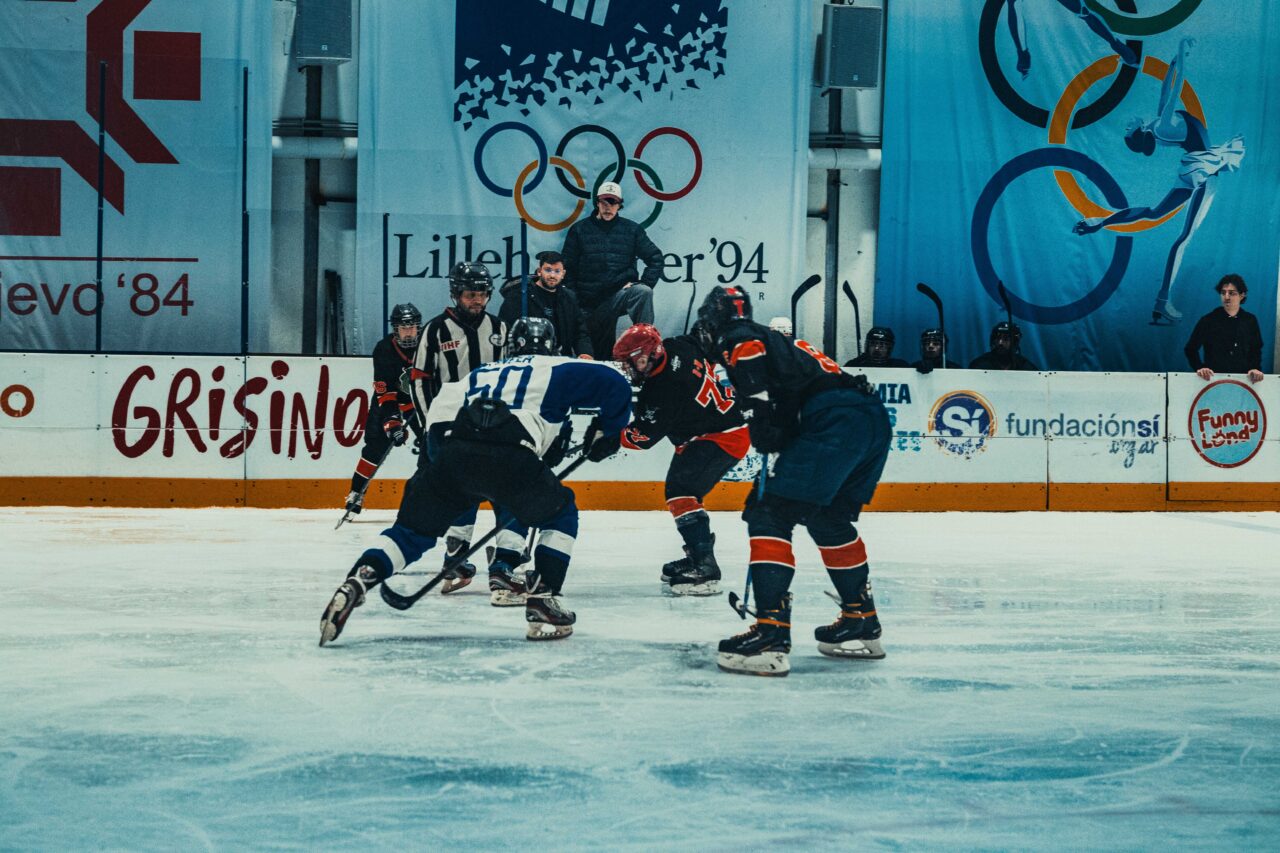
Yesterday Switzerland played for its first ice hockey world championship title. At home, in Zurich, before a crowd that had filled the Swiss Life Arena to capacity for every single match of this tournament. After the final lost in Prague in 2024. After the final lost in Stockholm in 2025. The third attempt. The same country watching.
The gold went to Finland. Three finals, three times without the title.
Anyone who watched the match already understands something about what it means to step forward again and again after failure at the highest level. And how painful it is when the result still does not come.
For those of us who work in the field of career transitions, yesterday's match was more than sport. It was the most public version of something we see in our coaching practice every week.
Three finals
The Swiss ice hockey team's journey is compelling not because of a single match but because of the whole arc. Two consecutive world championship finals, both lost. A full year of preparation between each. The same group of players choosing to come back, knowing that the entire country was watching, knowing that they might fail again. And then failing again.
That demands a particular kind of resilience. Not the motivational-poster variety. The real one: the willingness to enter a high-pressure situation again after a painful result, to do the work once more, without any guarantee that this time the outcome will be different. Yesterday evening showed that sometimes, even with the right preparation, the result does not come. That does not diminish the work. It makes the willingness to do it again all the more remarkable.
Last year we had a client, a senior executive, who reached the final round of a board-level search process and was passed over. He repositioned himself, adapted his narrative, rebuilt his confidence and entered another process six months later. He again reached the final round. He was again passed over. When we sat down after the second rejection, the conversation was not about his CV or his positioning. It was about whether he could find the conviction to step forward a third time with genuine energy and confidence. He could. He is in that role today.
The Swiss team now faces precisely that question. The parallel is not decorative. It is structural.
Transition is not an interruption. It is part of the career
Professional sport makes visible something that corporate culture still finds difficult to accept. Transitions are not breaks from a career. They are part of the career itself.
Consider Timo Meier's week. Three goals and eight assists in eight tournament matches. Then a suspension that took him out of the semi-final entirely. His team won 6-0 without him. And yesterday he was back on the ice for the final, in a high-pressure situation that had moved on in his absence.
In sport, nobody finds this sequence unusual. Players change teams, adapt to new systems, return after setbacks, compete for positions they previously held unchallenged, and reinvent their contribution at different stages of their careers. These shifts are coached, supported and treated as professional challenges. The language around them is matter-of-fact, not apologetic.
In business, the same dynamics occur constantly. An executive is restructured out of a role they held for a decade. An experienced specialist discovers that the market has moved while they were focused internally. A leader takes on a larger mandate and finds that what worked before does not transfer automatically. But the narrative is different. Transition still carries a stigma. It is treated as something to be explained rather than as something to be navigated well.
Sport reframes this entirely. Transition becomes a discipline, not a disruption.
That is also why Timo Meier is a brand ambassador for Grass & Partner. Not because of the goals or the points, even though his tournament statistics speak for themselves. What we admire in Meier is what happens around the visible moments: the consistency in preparation, the discipline between matches, the ability to process a setback such as this week's suspension and return with focus rather than frustration, the professionalism that remains constant whether the spotlight is on or off.
These are the same qualities that make career transitions successful. Not talent alone, but the composure to remain professional under pressure, the discipline to do the work even when the outcome is uncertain, and the willingness to adapt without lowering one's own standards. We see this in our best clients, and it is what we recognised in Timo Meier long before this tournament.
What the research shows
Academic research on athlete transitions supports this reframing with data. A systematic review of studies on the end of careers in professional sport found that the quality of the transition depends less on past performance than on two factors: the individual's sense of identity beyond their role, and the quality of the support available during the change.
This challenges a common assumption about executive transitions: that strong performers land on their feet by themselves. Often they do not, at least not without structured support. A track record helps, but when identity is tightly bound to a single role or organisation, the disruption runs deeper than the CV would suggest. More recent research on sustainable career transitions in elite sport confirms this. Mental health support, proactive identity work and structured transition planning produce markedly better outcomes than talent or willpower alone.
The Swiss team understood this. After two lost finals, they did not simply turn up a third time and hope the result would change. They worked on their game, adapted their preparation, sought the right support and built a structure around the team capable of handling the specific pressure of performing on home ice with the weight of national expectation. Roger Federer announced the starting line-up in the quarter-final. The arena was sold out weeks in advance. The emotional pressure was enormous. That environment had to be prepared for, not merely endured.
Yesterday the preparation was there. The result was not. That happens. In sport and in careers.
Executives in transition face a version of the same challenge. The pressure may be less public, but it is no less real. Re-entering the market after a setback, presenting oneself with confidence after a rejection, maintaining professional identity while everything around it has shifted. That requires preparation, not merely endurance. And sometimes the preparation is right and the result still takes longer than expected.
The higher the level, the more important the support
No serious team assumes that a talented player no longer needs coaching. The opposite is true. The higher the stakes, the more precision, perspective and structured feedback matter. Elite athletes do not outgrow support. They depend on it all the more as the pressure increases.
Research on executive transitions reflects this. Leaders moving into C-suite roles report considerable challenges and emotional turbulence. Coaching is valued precisely because it strengthens confidence, capability and identity when all three are under pressure. Estimates suggest that 30 to 50 per cent of newly appointed senior executives struggle within the first eighteen months, with real consequences for the organisation.
Repositioning after a setback, adapting one's contribution as the market shifts, translating experience from one context into value for another, these are not signs of decline. In sport it is called adaptation, and it is respected. The same should apply in business. Career reorientation is not a fallback for people who could not sustain their previous path. It is often the most intelligent response to structural change. The Adecco Swiss Job Market Index for Q1 2026 confirms that transversal competencies, self-management, communication, learning ability and problem-solving, are gaining importance across sectors. The market asks professionals for transferability, not merely for a past.
Whether it is an exit, a lateral move, a promotion or a comprehensive reorientation, the principle holds. Structured support improves outcomes. In sport that is taken for granted. In business it is still too often treated as optional.
What yesterday reminded us of
Yesterday millions watched a team that had lost two consecutive finals step onto the ice for a third time. The result did not come. But the decision to return, to prepare again, to compete again at the highest level, knowing that the outcome was uncertain, that decision was already the hardest part.
The same applies to every career transition. The executives who succeed in the end are rarely those who never failed. They are those who were willing to try again.
Professional sport makes this truth visible on a public stage. In business the same dynamics play out quietly, behind closed doors, in thousands of careers in Switzerland every year. Making them visible, understandable and well supported is the work we do at Grass & Partner every day.
At Grass & Partner, we support executives and senior managers through career transitions, with a particular focus on making experience visible, relevant and valued. If you or someone in your network is going through a career transition, we are here to help.
Get in touchSources: IIHF Ice Hockey World Championship 2024, 2025, 2026; systematic review of research on athlete career transitions (Park, Lavallee & Tod, Psychology of Sport & Exercise); sustainable career transitions and mental health support in elite sport (Frontiers in Psychology); executive coaching and leadership transitions (Kauffman & Coutu, 2009; Manderscheid & Ardichvili, Human Resource Development Review); Adecco Swiss Job Market Index Q1 2026.